Common Piercing Healing Mistakes to Avoid



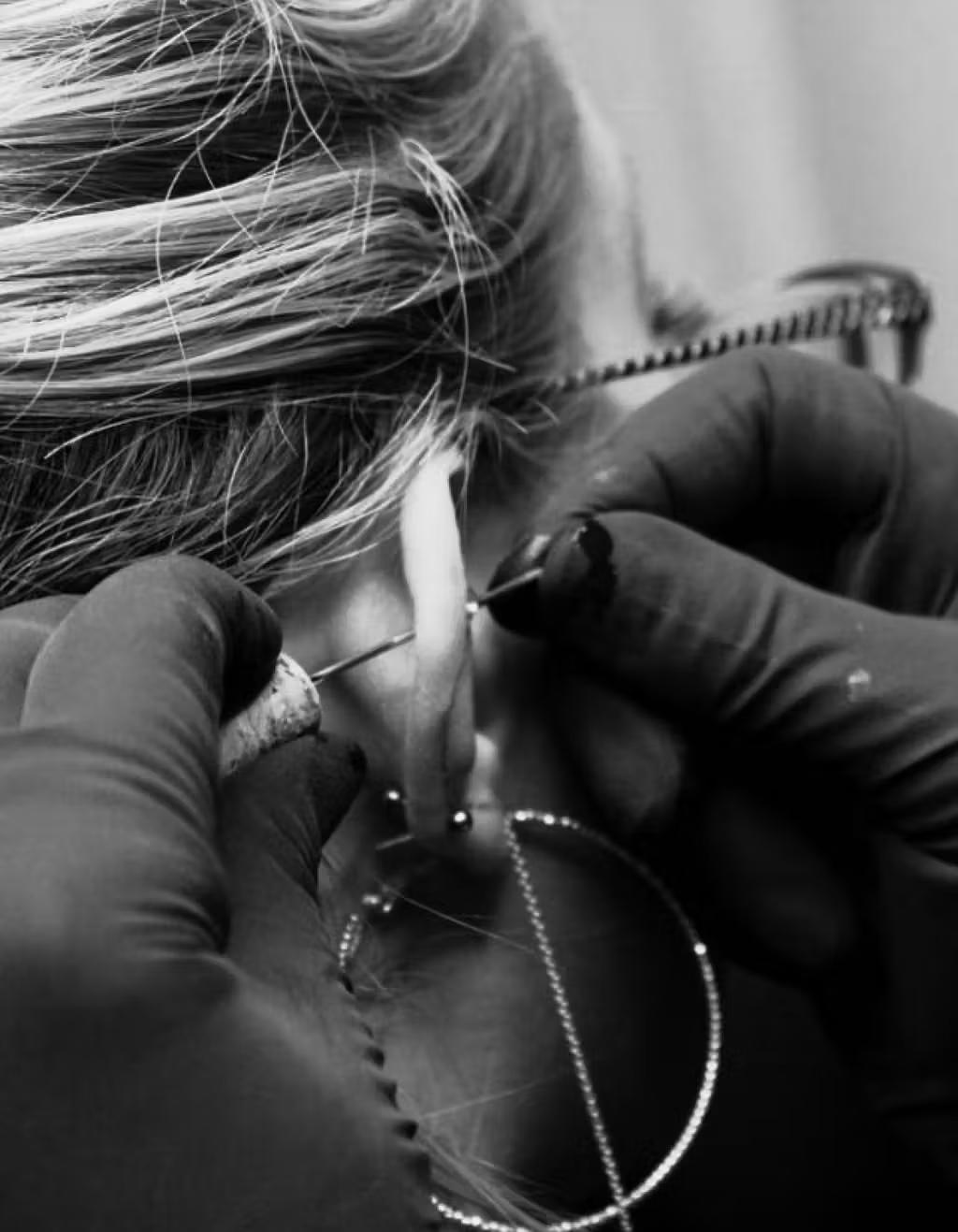
Getting a new piercing at our Bay Park or La Jolla studios is an exciting way to express your personal style, but the appointment is only the beginning of the journey. Many clients accidentally slow down their recovery process by being over-eager or following outdated advice they found online. We understand that you want your new jewelry to look perfect as quickly as possible, so we have compiled this guide to help you navigate the common pitfalls that can lead to irritation or prolonged healing times. By understanding these frequent errors, you can ensure your body has the best environment to heal your new piercing safely and efficiently.
Over-Cleaning or Using Harsh Products
One of the most frequent mistakes we see at Bay Ink Tattoo is the tendency to over-scrub or use aggressive chemicals on a fresh piercing. While it is natural to want to keep the area sterile, using substances like isopropyl alcohol, hydrogen peroxide, or harsh antibacterial soaps can do significantly more harm than good. These products are often too caustic for healing tissue, as they tend to dry out the skin and kill the beneficial cells your body produces to close the wound. This chemical irritation can lead to redness, peeling, and a significantly delayed recovery.
Instead of reaching for the medicine cabinet, we recommend sticking to a sterile saline solution specifically formulated for wound care. This gentle approach supports the natural recovery process without disrupting the delicate balance of your skin. If you are unsure about which products are safe for your specific piercing, you can always refer to Bay Ink's aftercare instructions for a list of approved cleaning agents. Maintaining a consistent but gentle routine is the most effective way to keep the site clean while allowing your body to do its job.
Key Takeaway: Avoid using alcohol or peroxide on your piercing, as these harsh chemicals destroy healing tissue and prolong the recovery process.
Touching or Rotating the Jewelry
It is a common myth that you need to "spin" or rotate your jewelry to prevent it from getting stuck to your skin. In reality, rotating the jewelry is one of the primary causes of physical trauma and infection in new piercings. Every time you twist the metal, you are effectively tearing the fragile new tissue that is trying to form inside the piercing channel. Furthermore, your hands carry an immense amount of bacteria even if they look clean, and touching the site introduces these pathogens directly into an open wound.
We advise our San Diego clients to follow the "Leave It The Hell Alone" (LITHA) method as much as possible. Your jewelry will not get stuck to your skin, as the body naturally forms a smooth tube of tissue called a fistula around the post. If you notice crusty buildup, do not pick at it with your fingernails. Instead, let the warm water in the shower soften the debris so it can be gently rinsed away. For more details on how to manage the different stages of tissue growth, please review our piercing aftercare guidelines.
Never rotate or twist your jewelry, as this action tears new tissue and introduces bacteria that can lead to infection.
Submerging the Piercing in Water Too Early
Living in San Diego means many of our clients are frequently at the beach or enjoying a pool day in La Jolla. However, submerging a fresh piercing in any body of water, including oceans, swimming pools, hot tubs, or even bathtubs, is a significant risk. These environments are often breeding grounds for bacteria and chemicals like chlorine, which can irritate the wound and cause serious infections. Even the cleanest-looking pool contains organic matter and chemicals that do not belong in a healing piercing.
We recommend avoiding all standing water for the duration of the initial healing phase. You should stick to brief, clean showers where the water can flow over the piercing without pooling. If you accidentally submerge the area, rinse it immediately with sterile saline and pat it dry with a clean paper towel. Protecting the site from external contaminants is vital during the early weeks when the wound is most vulnerable to outside influences.
Keep your new piercing out of pools, oceans, and hot tubs to prevent bacterial contamination and chemical irritation.
Changing Jewelry Before the Piercing Is Fully Healed
We know how tempting it is to swap out your initial implant-grade titanium stud for a decorative hoop or a dangling piece of jewelry. However, changing the jewelry too early is a mistake that often results in the immediate closure of the piercing or significant internal tearing. Even if the outside of the piercing looks healed, the internal channel takes much longer to become stable. Removing the jewelry prematurely can cause the site to collapse, making it difficult or impossible to reinsert a post without professional help.
The maturation phase of healing is the longest part of the process, and it requires patience to ensure the fistula is strong enough to handle different jewelry styles. We always suggest visiting us at Bay Ink Tattoo so one of our professional piercers can evaluate the site before you make your first jewelry change. This ensures that the tissue is ready for the transition and prevents the unnecessary trauma of forcing jewelry into a semi-healed wound.
Wait for a professional evaluation before changing your jewelry to avoid closing the piercing channel or causing internal scarring.
Sleeping Directly on a Fresh Piercing
Pressure is a silent enemy of a successful piercing. If you have a new ear piercing and you sleep on that side of your head, the constant pressure can cause several issues, including piercing migration. Migration occurs when the pressure of the pillow pushes the jewelry at an angle, causing the piercing to heal crookedly. Additionally, the lack of airflow and the heat generated by your head against the pillow can lead to irritation bumps and increased swelling.
To avoid this, we suggest sleeping on your back or on the opposite side of the new piercing. A popular "hack" among our clients is using a travel-sized neck pillow and placing your ear in the center hole while you sleep. This allows you to rest on your side without any part of the pillow touching the ear itself. Keeping the area free from pressure ensures that the jewelry stays in its intended alignment and that the blood flow to the area remains optimal for healing.
Use a travel pillow or sleep on the opposite side of your piercing to prevent migration and pressure-induced irritation.
Ignoring Early Signs of Irritation or Infection
Many people make the mistake of waiting too long to address a problem, hoping that a red bump or persistent swelling will simply go away. While some minor irritation is normal during the first few weeks, it is important to recognize when the body is struggling. Ignoring the early warning signs can lead to more serious complications that are harder to treat later on. You should be mindful of the following symptoms:
- Persistent heat radiating from the piercing site
- Significant swelling that does not go down after the first week
- Thick, green, or yellow discharge accompanied by a foul odor
- Extreme pain or throbbing that prevents sleep
If you experience these symptoms, do not remove the jewelry yourself, as this can trap an infection inside the skin. Instead, contact your piercer or a medical professional immediately. Early intervention is the key to saving a piercing and ensuring your long-term health. For a full breakdown of what to expect during the different stages of recovery, see our full aftercare guide.
Monitor your piercing for signs of infection and seek professional advice immediately if you notice persistent heat, swelling, or unusual discharge.
Applying Makeup or Skincare Products Near the Site
It is easy to forget about a new piercing during your morning beauty routine, but getting makeup, lotions, sunscreen, or hair products near the site is a recipe for irritation. These products are not sterile and often contain fragrances and oils that can clog the piercing channel. When these substances get trapped inside, they can cause a localized reaction or lead to a bacterial infection. This is especially common with facial piercings like nostrils or eyebrows, where foundation and powder are frequently used.
We recommend leaving a "no-fly zone" of at least one inch around the piercing when applying any cosmetic products. If you use hairspray or other aerosol products, cover the piercing with a clean hand or a paper towel during application. Keeping the area free from foreign substances allows the skin to breathe and prevents the accumulation of debris that can irritate the wound.
Keep cosmetics and skincare products at least one inch away from your piercing to avoid clogging the site and causing irritation.
Using Low-Quality Jewelry Materials
While it might be tempting to buy inexpensive jewelry online, using low-quality metals is a major mistake that can lead to permanent sensitivity. Many "fashion" jewelry pieces contain nickel, which is a common allergen that causes itching, redness, and weeping in many people. Furthermore, jewelry that is not polished to a mirror finish can have microscopic scratches that harbor bacteria and irritate the delicate healing tissue.
At Bay Ink Tattoo, we only use implant-grade titanium and 14k gold for initial piercings because these materials are biocompatible and designed for long-term wear inside the body. Using high-quality jewelry from the start reduces the risk of allergic reactions and ensures that the surface of the metal does not cause friction against the healing fistula. Investing in quality jewelry is one of the most important steps you can take to ensure your piercing heals without complications.
Stick to implant-grade titanium or gold jewelry to prevent allergic reactions and minimize friction during the healing process.
Visit Bay Ink Tattoo for Expert Piercing Care
Healing a piercing is a partnership between you and your body, and we are here to support you every step of the way. By avoiding these common mistakes and following a consistent, gentle routine, you can enjoy your new jewelry for years to come. Whether you are visiting our Bay Park location or our studio in La Jolla, our team is dedicated to providing a safe, professional, and welcoming environment for all your piercing needs.
If you have questions about your healing process or if you are ready to add a new piece to your collection, we invite you to reach out to us. Our experts can help you troubleshoot irritation or assist you in selecting the perfect high-quality jewelry for your next look. To ensure you get dedicated time with one of our artists, please book an appointment through our website today.
Proper aftercare and professional guidance are essential for a healthy piercing; contact Bay Ink Tattoo for expert help and high-quality jewelry.
Subscribe to Our Bay Ink Blog
Don’t fall behind the times, especially when it comes to safety and informative piercing and tattoo resources – subscribe to our blog today!


